Lee Valley park rubbish collection tips for Brimsdown homes
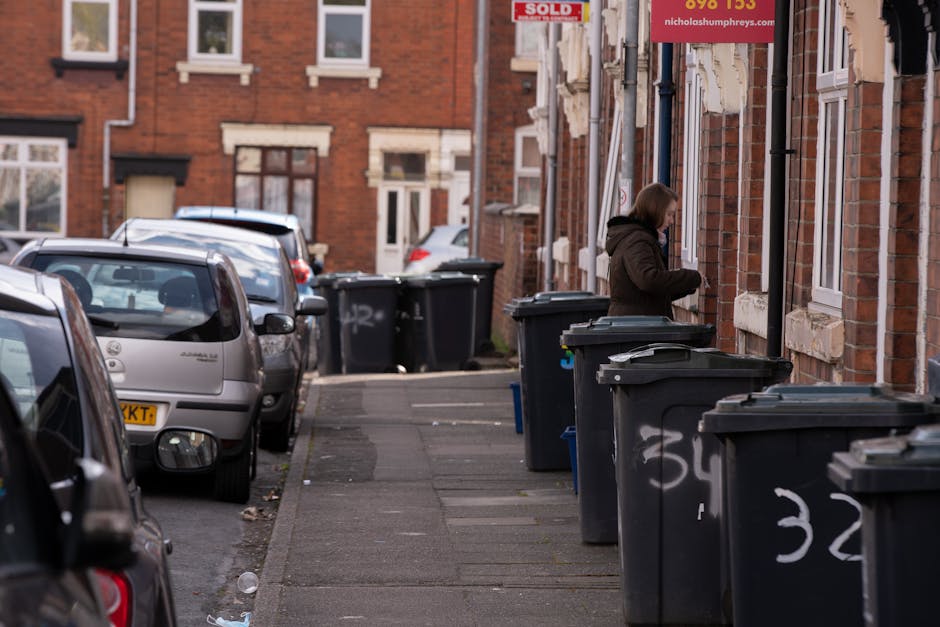
If you live in Brimsdown and you're trying to keep on top of waste near Lee Valley Park, you already know it can be a bit more involved than just putting a bag out and hoping for the best. Paths get busy, garden cuttings build up fast, and bigger clear-outs can leave you staring at a pile of stuff wondering where on earth it should go. These Lee Valley park rubbish collection tips for Brimsdown homes are here to make that easier.
Below, you'll find a practical, local guide to sorting, storing, loading, and arranging waste the sensible way. We'll look at what matters, how the process usually works, when a skip or grab service makes more sense, and how to avoid the common headaches that catch people out. Nothing fluffy. Just useful advice for real homes, real bins, and real weekends when the rubbish somehow multiplies by itself.
For some projects, a straightforward domestic collection is enough. For others, you may need something more flexible such as domestic skip hire or a fast rubbish removal service. The best choice depends on what you're clearing, how quickly you need it gone, and whether access around your home is easy or awkward. That's the sort of thing we'll unpack properly here.
Why Lee Valley park rubbish collection tips for Brimsdown homes Matters
Living close to a major green space changes the rhythm of waste management a little. You tend to get more garden waste in spring and summer, more muddy clean-ups after wet weather, and more bulky items when people finally tackle the garage, shed, loft, or spare room. Brimsdown homes often sit somewhere between compact urban living and practical family storage. That mix is where waste habits either stay tidy or slide into chaos.
The thing is, rubbish left too long doesn't just look untidy. It can attract pests, create smells, block access, and make your home feel less manageable than it really is. If you've ever had a black bag sit by the side return for "just one more day", you'll know how quickly that turns into three. Then it's bin night again, and suddenly the whole thing feels personal.
Rubbish collection tips matter because they help you get ahead of that cycle. They also help you avoid wasting money on the wrong disposal method. A few bags of mixed household waste, a mattress, some old fence panels, and a pile of hedge trimmings may all need different handling. It sounds obvious, but in the middle of a clear-out it's easy to forget.
There's also the local angle. Homes near parks, towpaths, roads, and busier access routes can run into practical issues like limited parking, awkward loading space, and neighbours not loving a half-blocked pavement. Good planning keeps things calm. That alone is worth something.
How Lee Valley park rubbish collection tips for Brimsdown homes Works
In simple terms, the process is about matching the waste type to the right removal method. That may be a normal council-style collection, a private rubbish removal visit, a skip, a grab lorry, or a specialist service for items that need careful handling. The right answer depends on volume, weight, access, timing, and the mix of materials.
Here's the practical flow most homeowners follow:
- Sort the waste first. Separate general rubbish, garden waste, bulky household items, reusable items, and anything that could be hazardous or restricted.
- Estimate volume. Is it a few bin bags or a proper clear-out? A small underestimate can become expensive later, so be honest with yourself.
- Check access. Can a lorry get close? Is there room for a skip? Will someone need to carry bags through a narrow side passage?
- Choose the method. If you need quick, hands-off removal, a collection service may suit. If you're clearing over a few days, a skip may be better. For mixed heavy loads, grab hire can be a smart middle ground.
- Prepare for loading. Put items close together, keep pathways safe, and make sure the material is ready for collection rather than spread across the garden like a small disaster zone.
In our experience, the homes that go smoothly are the ones where the waste is prepared before collection day. Not perfection. Just a bit of order. It makes a surprising difference.
If you're dealing with builders' rubble, soil, or heavier renovation waste, options such as builders skip hire or grab hire services can be far more practical than trying to move everything in small loads yourself. For larger clearances, a proper plan beats improvising at the gate with a stack of broken concrete and no clue what goes where. Been there, seen that, not ideal.
Key Benefits and Practical Advantages
There's a reason people search for collection tips rather than just winging it. A well-planned waste clearance saves time, cuts stress, and usually costs less than a messy last-minute solution.
- Less clutter at home: You reclaim storage space faster, whether that's a garden corner, garage, or front drive.
- Cleaner surroundings: Waste is removed before it becomes a smell, a mess, or a visual nuisance.
- Better scheduling: You can line up collection around work, school runs, or weekend jobs instead of juggling it all at once.
- Lower risk of mistakes: Sorting waste properly helps you avoid putting restricted materials into the wrong container.
- More efficient loading: Good prep means less back-and-forth on collection day.
- Better value: You avoid paying for a service that is too big, too small, or badly matched to the job.
There's also a quieter benefit: the mental lift. Clearing waste from around the home changes how the space feels. You notice it most in the little moments, like opening the back door on a bright morning and not immediately seeing a pile of bags staring back at you.
Expert summary: The best waste collection setup is rarely the cheapest-looking option at first glance. It's the one that fits the space, the waste type, and the pace of the job without forcing you to do extra work.
Who This Is For and When It Makes Sense
This guide is useful if you're a homeowner, landlord, tenant, or family in Brimsdown who needs to clear domestic waste near Lee Valley Park or simply wants a cleaner, more organised system for getting rid of rubbish.
It makes sense if you're dealing with any of the following:
- regular household rubbish that has built up over time
- garden waste after pruning, hedge cutting, or seasonal tidy-ups
- bulky items like furniture, mattresses, or broken appliances
- garage, loft, or shed clear-outs
- post-renovation debris and packaging
- a move, tenancy change, or property handover
It's also helpful if you live on a street where parking is tight, because even a simple collection can become awkward if the vehicle can't access the load. In those cases, a service designed for quick turnaround may be the safer bet. Sometimes the "easy" solution is the one that does the lifting for you. Truth be told, that's often what people want anyway.
If the job involves mixed household clutter and you'd rather not sort every single item yourself, house clearance or garage and loft clearance can be a better fit than piecemeal bin-day efforts. For businesses or shared properties, you may want to look at commercial skip hire or other higher-capacity solutions instead.
Step-by-Step Guidance
1. Identify the waste properly
Start by dividing the rubbish into practical groups. That means general bagged waste, garden waste, reusable or donate-worthy items, hard items like wood or metal, and anything that may be specialist waste. Don't skip this step. A five-minute sort can save you a whole load of hassle later.
2. Measure the job honestly
Look at the quantity and size of the waste. If the pile is mostly soft bags, a smaller collection option may be enough. If you've got bulky furniture, broken fittings, or heavy materials, you may need a different service altogether. The mistake people make is judging volume with hope rather than eyes. Happens all the time.
3. Check your access route
Think about how the waste will leave the property. Is there a side gate? A narrow alley? Steps? A low wall? A skip or vehicle needs room, and so do the people loading it. Clear the path before collection day so nobody has to hop over plant pots with an armful of junk. It's not glamorous, but it works.
4. Choose the right service type
For quick collection of mixed waste, man and van may suit smaller clearances. For heavier, larger or ongoing jobs, a skip can be simpler. If the load is awkward but accessible from the road, grab hire can save time. And for occasional household overflows, a standard rubbish removal option may be enough.
5. Prepare the items for loading
Break down cardboard, remove loose contents from containers, tie up branches, and keep sharp items contained. If you're clearing a shed or garage, put the waste near the exit in categories. This makes collection faster and safer. It also reduces the chance of a skipped item being left behind because it was buried under three old plant pots and a broken mop.
6. Load safely and legally
Keep weight manageable, don't overfill containers, and never mix in materials that need special handling unless your chosen provider confirms they can take them. If you're using a skip, it helps to know what can go in a skip before you start tossing things in.
7. Finish with a final sweep
Once the waste is gone, do a last check for screws, broken glass, nails, and loose packaging. A quick broom across the area stops small messes from hanging around. It's one of those tiny jobs that makes the whole result feel properly finished.
Expert Tips for Better Results
The best results usually come from a few small habits rather than one big clever trick. Here are the ones that make the biggest difference in everyday use.
- Group waste by destination, not just by type. For example, keep all skip-ready material in one area and all donation items in another.
- Use heavy-duty bags for dense waste. Thin bags split at the worst possible time. Usually when you're halfway through the gate, obviously.
- Keep wet garden waste separate. Damp grass and leaves can make everything heavier and messier than expected.
- Flatten packaging early. Cardboard and flat-pack waste take up far less room once collapsed.
- Plan for collection timing. If you're booking around work, school pickup, or bad weather, give yourself a buffer.
- Leave a clear landing space. A clear front path or drive speeds up loading and reduces stress.
- Ask about recycling options. A good provider should be able to explain how waste is sorted or diverted where possible.
One practical observation: most people underestimate how much time is lost by moving the same bag twice. If you can stage waste once and move it once, the whole thing becomes far less annoying.
If you're dealing with mixed recyclable materials, a service aligned with waste recycling services can be a smarter choice than treating everything as general rubbish. That's better for the environment and often neater for the customer too.
Common Mistakes to Avoid
Some waste jobs go wrong in predictable ways. The good news? They're easy to avoid once you know them.
- Mixing everything together: It's tempting, but it often causes delays or extra sorting later.
- Underestimating volume: A heap of waste always looks smaller until you start loading it.
- Ignoring access issues: If the vehicle can't reach the property easily, expect complications.
- Forgetting about restricted items: Some items need special handling, not just "putting out with the rest".
- Leaving waste loose: Small items blow around, spill, or get missed.
- Booking too late: If you wait until the pile becomes a problem, you lose options.
- Assuming all services take everything: They don't. Always check first.
A common one near busy residential areas is blocking the pavement or drive with bags while you "sort it later". Later tends to become tomorrow, then the weekend, and then it rains. Not ideal.
Tools, Resources and Recommendations
You do not need loads of fancy equipment to manage waste well. But a few simple tools make the job smoother.
| Item | Why it helps | Best use |
|---|---|---|
| Heavy-duty rubble sacks | Less likely to split under weight | General household and mixed waste |
| Gloves | Protects hands from sharp or dirty items | Any clear-out or garden job |
| Dolly or sack truck | Makes moving heavier items easier | Garage, loft, or appliance moving |
| Tarpaulin | Keeps waste contained and drier | Garden waste and outdoor staging |
| Markers or labels | Keeps sorted piles clear | Mixed clear-outs |
| Measuring tape | Helps estimate space and volume | Skip planning or access checks |
As a rule, the cleaner your staging area, the easier the collection. If you're expecting wet weather, cover anything that shouldn't sit in drizzle all day. It sounds basic, but soggy cardboard is nobody's friend.
If you want a broader look at planning, pricing, or the kind of containers available, the site's skip sizes and prices page can help you compare what different jobs may need. For a more flexible load-and-go approach, wait and load skip hire can be a very neat option when space is limited.
Law, Compliance, Standards, or Best Practice
Waste disposal in the UK should always be handled carefully and responsibly. You do not need to become an expert overnight, but you do need to make sure the waste goes to a legitimate outlet and that restricted items are treated properly. That includes being sensible about where the waste came from, what it contains, and whether anything in the pile could be hazardous.
Good practice usually means:
- keeping waste separated where practical
- checking whether any item needs specialist handling
- avoiding fly-tipping, even accidentally
- using a provider that explains its disposal process clearly
- keeping paperwork or booking records if the job is larger or more complex
If you're clearing something that might contain chemicals, sharp waste, fridges, or other problematic materials, don't guess. Ask before collection. For items that need specific treatment, services such as hazardous waste disposal or fridge and appliance removal are usually more appropriate than general waste collection.
Best practice also matters around safety. Keep pathways clear, lift sensibly, and don't overload yourself just to save a second trip. That old back injury has a memory, if you know what I mean. A professional provider should also operate with proper safety and insurance standards, and many customers like to review that before booking.
For added peace of mind, it's sensible to check pages such as health and safety policy, insurance and safety, and recycling and sustainability if you want to understand how a provider approaches the job. That isn't overthinking it. It's just being careful.
Options, Methods, or Comparison Table
Different rubbish collection methods suit different Brimsdown homes. The table below gives a simple comparison so you can choose without second-guessing yourself for three days straight.
| Method | Best for | Strengths | Limitations |
|---|---|---|---|
| Rubbish removal | Small to medium mixed loads | Quick, simple, minimal effort | Less ideal for long projects |
| Domestic skip hire | Home clear-outs and ongoing jobs | Flexible, holds more waste | Needs space and possibly a permit |
| Grab hire | Heavy, bulky, or loose waste | Fast removal of large volumes | Needs access for the vehicle |
| Wait and load | Homes with limited space or no permit option | Convenient, quick turnover | Requires you to load promptly |
| Man and van | Smaller clearances and awkward items | Flexible and hands-on | May be less cost-effective for large loads |
If you're unsure which route suits you, think about the three basics: volume, access, and speed. One of those usually decides it. The rest is detail.
For residents who need a driveway-safe or roadside solution, skip hire is often the most familiar starting point. If your item mix is awkward or you need quicker removal, same-day skip hire can be useful when timing really matters.
Case Study or Real-World Example
Imagine a typical Brimsdown household doing a spring clear-up after a damp winter. The garden has a small pile of prunings, the shed has broken storage boxes and old tools, and the loft has a few large bags of mixed clutter from "we'll sort that later" sessions. Nothing extreme. Just one of those jobs that quietly grows legs.
The homeowner starts by separating the garden waste from the household clutter. The branches and hedge cuttings go into one pile. The broken plastic, cardboard, and old household bits go into another. A chipped mirror, a half-empty tin, and an old appliance get put aside for separate checking. That one bit matters, because not everything can be treated as plain rubbish.
Next, they measure the access. The side gate is narrow, but the front drive is clear. A small skip would fit, though a larger one might be awkward. After comparing options, they go with a collection setup that works for the access and removes the waste in one visit. The result is straightforward: the job is done, the garden looks bigger, and the shed finally closes without a struggle.
The useful part here is not that the job was perfect. It wasn't. The useful part is that it was planned in the right order. That's usually what saves the day.
Practical Checklist
Use this checklist before collection day. It keeps things calm and stops small oversights from becoming annoying delays.
- Sort waste into clear categories
- Separate anything hazardous or unusual
- Estimate roughly how much waste you have
- Check vehicle or skip access
- Measure gates, paths, and parking space if needed
- Break down bulky items where safe to do so
- Bag loose waste securely
- Keep sharp items wrapped or boxed
- Cover wet garden waste if rain is expected
- Clear the loading route inside and outside the property
- Confirm timing and collection details
- Do a final sweep after removal
If you can tick off most of that list, you're already ahead of the curve. Honestly, that's half the battle.
Get a free quote today and see how much you can save.
Conclusion
The best Lee Valley park rubbish collection tips for Brimsdown homes are the ones that make waste easier to manage before it becomes a problem. Sort first, think about access, choose the right disposal method, and don't leave the awkward stuff until the last minute. Simple advice, yes. But it works.
Whether you're clearing a garden after a long wet spell, emptying a loft, or handling a bulky household load, a bit of structure saves time and stress. And if you do it properly, the payoff is immediate: more space, less mess, and a home that feels easier to live in. Nice feeling, that.
When you're ready, take the next step with confidence. A well-planned collection isn't just about taking rubbish away. It's about making the whole home feel lighter.
Frequently Asked Questions
What is the best rubbish collection option for a Brimsdown home near Lee Valley Park?
The best option depends on how much waste you have and how easy it is to access. Small mixed loads often suit rubbish removal, while larger or ongoing clear-outs may be better handled with a skip, grab hire, or wait-and-load service.
Do I need to sort waste before collection?
Yes, it helps a lot. Sorting waste into categories such as general rubbish, garden waste, bulky items, and special items makes collection quicker and reduces the chance of problems on the day.
Can I put garden waste and household rubbish together?
Sometimes, but not always. It depends on the service and the material mix. Garden waste is often better kept separate because it can be recycled or handled differently from mixed household waste.
What should I do with bulky items like sofas or mattresses?
Bulky items are usually best booked in advance so they can be removed properly. Services such as mattress and sofa disposal are often more suitable than trying to fit them into general bagged waste.
Is a skip better than a rubbish removal service?
Neither is always better. A skip is useful if you need time to load waste over a few days. Rubbish removal is often better if you want the waste gone quickly without doing the loading yourself.
Do I need a permit for a skip near my home?
That depends on where the skip will sit. If it goes on private land such as a driveway, a permit may not be needed. If it needs to go on the public road, permit rules may apply, so it's worth checking before you book.
What items should never go into general waste?
Items like chemicals, certain electricals, and some hazardous materials need special handling. If you are unsure about an item, ask the provider before placing it with the rest of the rubbish.
How do I estimate the right skip size?
Think about the waste type and how much physical space it takes up. Loose garden waste, broken furniture, and building rubble all behave differently. If in doubt, speak with the provider and describe the job honestly.
Can I get same-day collection in Brimsdown?
Sometimes, yes. Availability depends on timing, waste type, and how busy the provider is. Same-day skip hire or quick collection services can be useful when a job has run over or something urgent has come up.
What is the safest way to prepare waste for collection?
Keep the route clear, use strong bags, wrap sharp objects, and avoid overloading anything you need to carry. If items are heavy, split them into smaller loads rather than trying to move everything at once.
How can I make rubbish collection more eco-friendly?
Separate recyclable material where possible, avoid mixing clean recyclables with general waste, and choose a provider that explains how waste is reused or recycled. Simple sorting at home goes a long way.
What if I'm clearing a lot of waste after a renovation?
For larger renovation jobs, a builders' or construction-focused solution is often more suitable. Heavy waste, rubble, and mixed renovation debris usually need more planning than a standard household clearance.